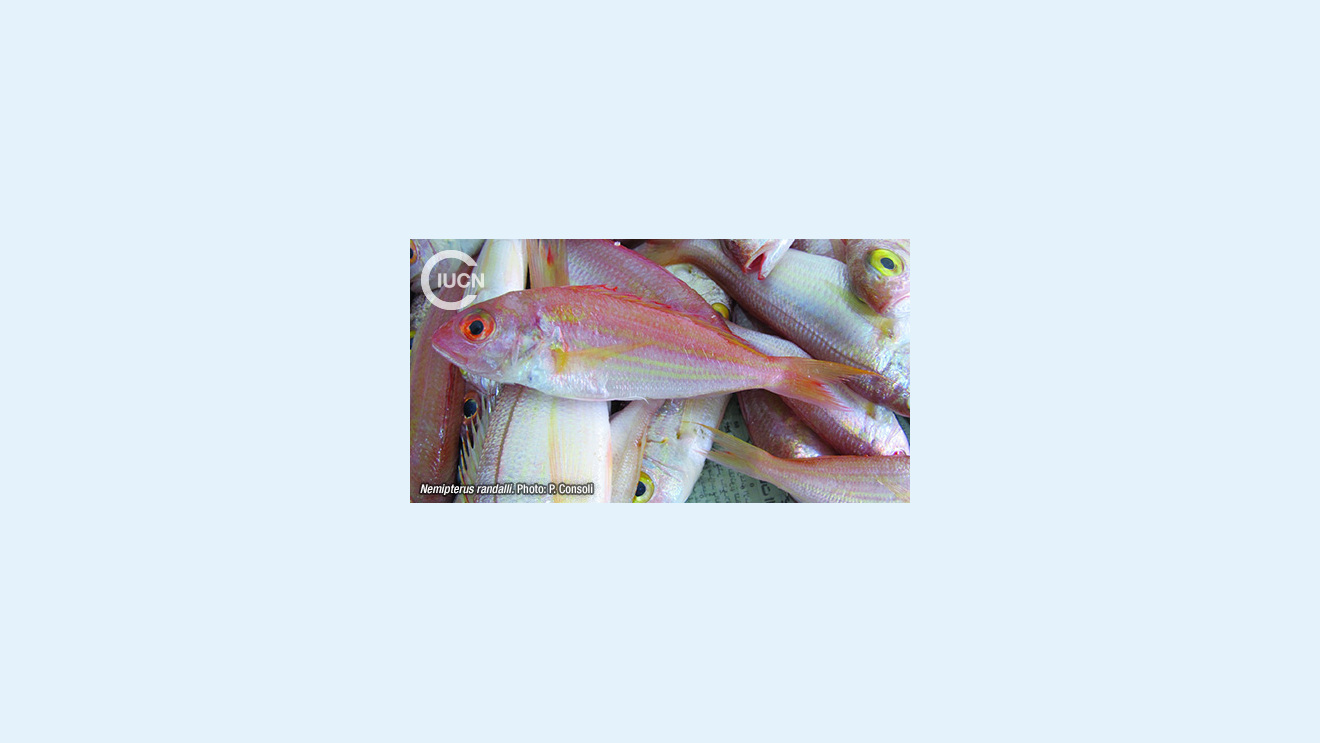
Nemipterus randalli
Πληροφορίες
Randall's threadfin bream is a benthic species, occurring on open sandy and muddy sea beds down to depths of 20–200 m; in the Mediterranean it is mainly found at 30–80 m.
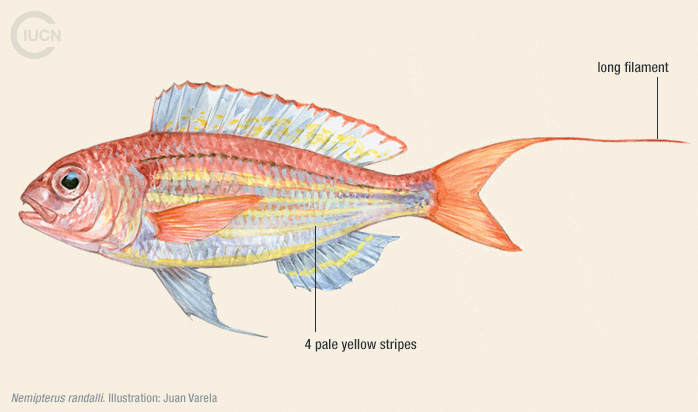
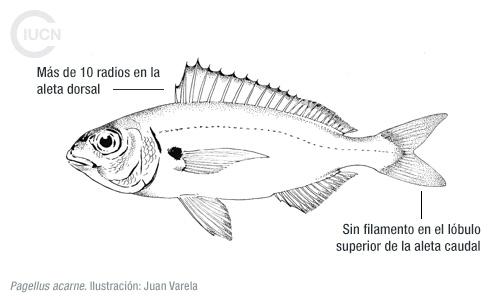
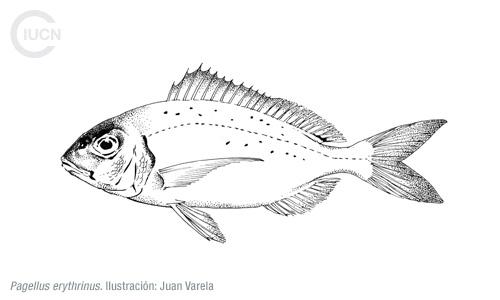
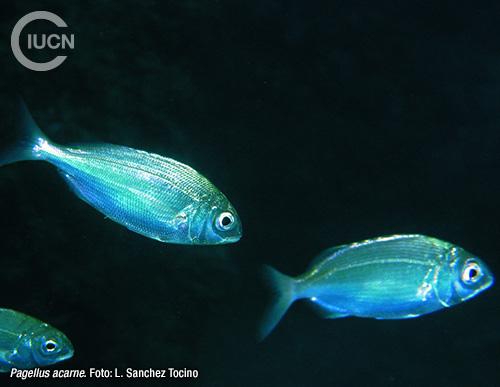
The long filament that extends from the upper edge of the upper lobe of the tail fin distinguishes this species from others. If this tail filament is broken, medium-sized Randall's threadfin breams look like some Sparidae species (Pagellus spp.). (Pagellus) species, however, have a first dorsal fin with 11–13 spines (compared with 10 spines in N. randalli), and molar teeth in the jaw.
Randall's threadfin bream is widespread in the western Indian Ocean, including the Red Sea and the East African Coast. In the Mediterranean it was first recorded off Israel in 2005, as Nemipterus japonicus; it has subsequently been recorded from Lebanon, Egypt, and from Mersin Bay to Antalya in Turkey. Nemipterus randalli appears to have an established population in the eastern Mediterranean that extends at least from Haifa Bay, Israel, to the Cevlik coast of Iskenderun Bay, Turkey.
Randall's threadfin bream feeds principally on small benthic invertebrates (polychaetes, crustaceans, cephalopods and molluscs) and small fishes. Its rapid spread and increasing abundance can reduce the biodiversity of benthic decapod crustaceans in particular, as well as native fish communities feeding on these species.
In the Western Indian Ocean, Randall’s threadfin bream is an important target species for local fisheries (small commercial trawlers). In the Mediterranean, it is caught in large numbers by trawling and to a lesser extent by trammel nets and long lines. It may well form the basis of an important future fishery in some Mediterranean areas.
http://www.ciesm.org/atlas/Nemipterusrandalli.php
Bariche, M., 2012. Field identification guide to the living marine resources of the Eastern and Southern Mediterranean. FAO Species Identification Guide for Fishery Purposes. Rome, FAO. 610 pp.