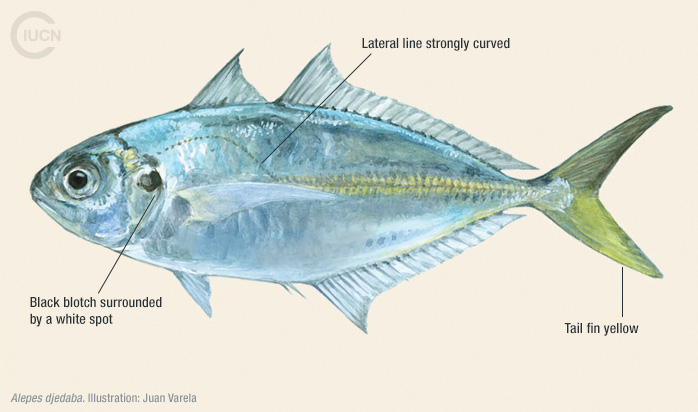
Alepes djedaba
Πληροφορίες
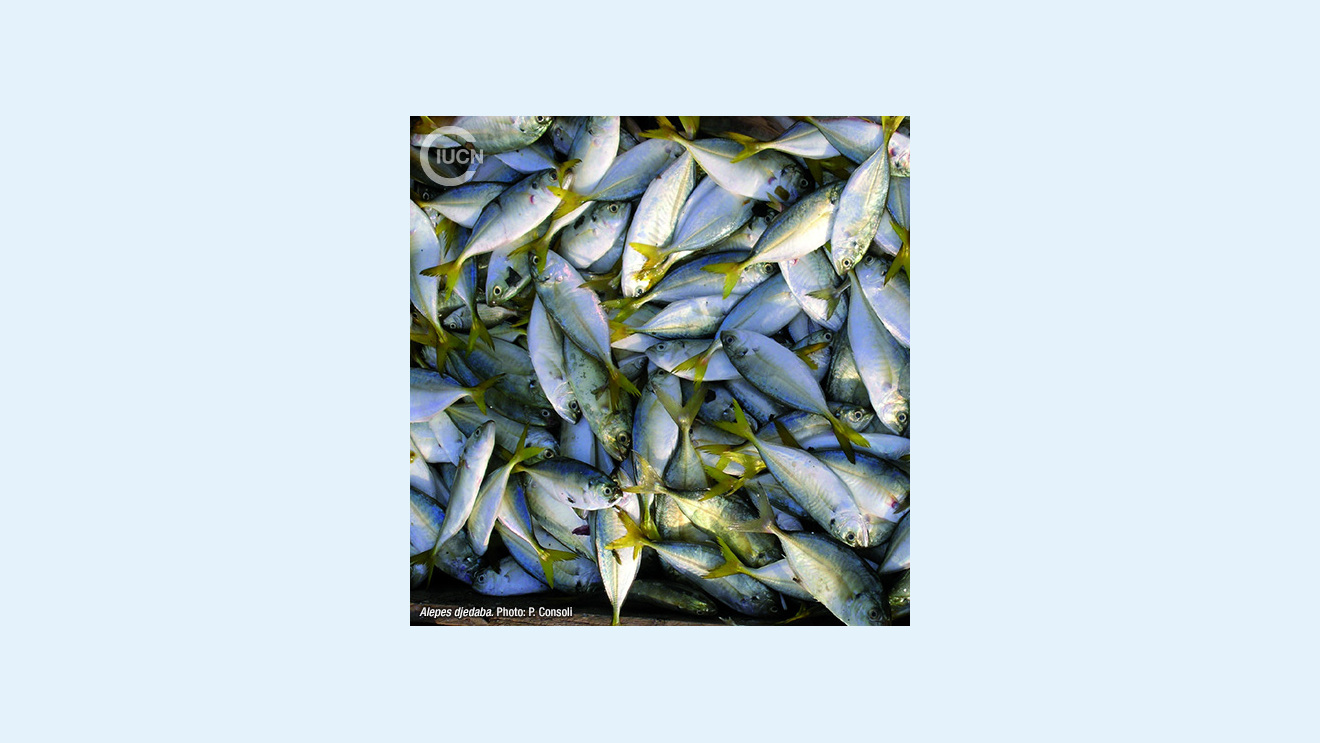
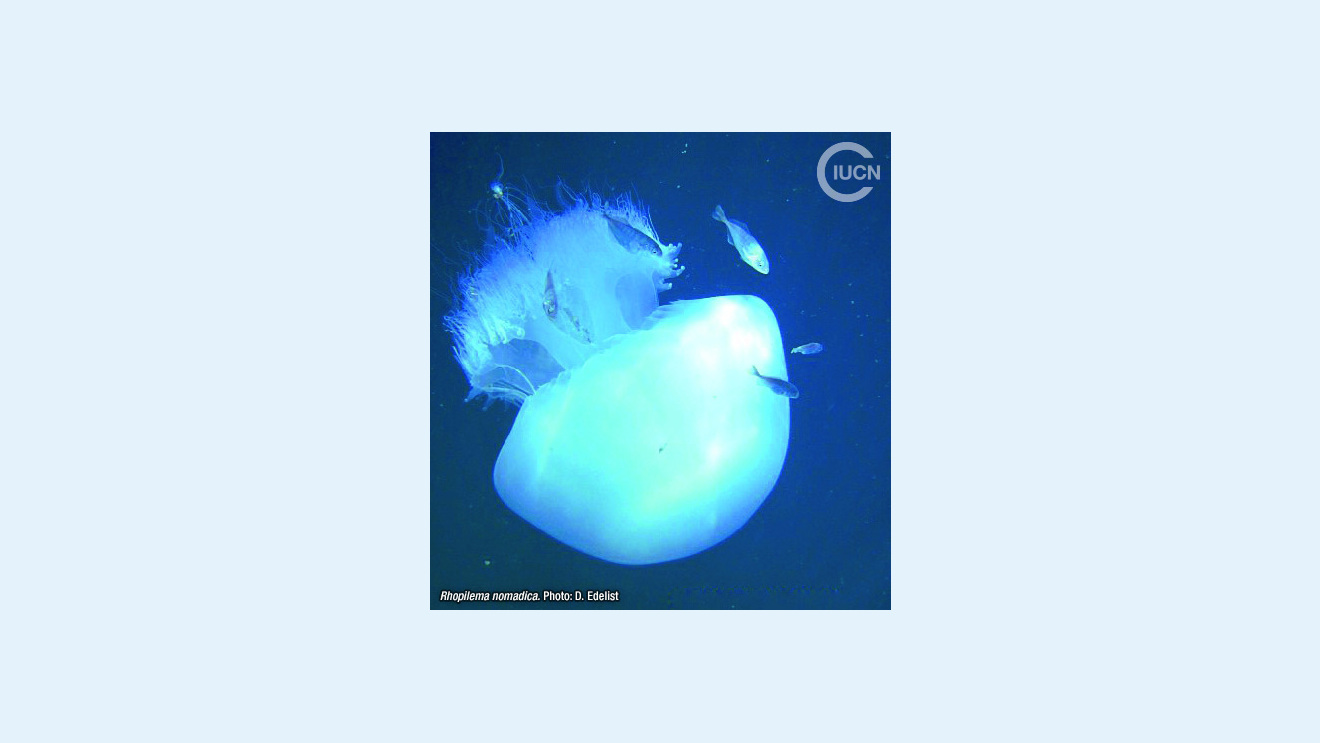
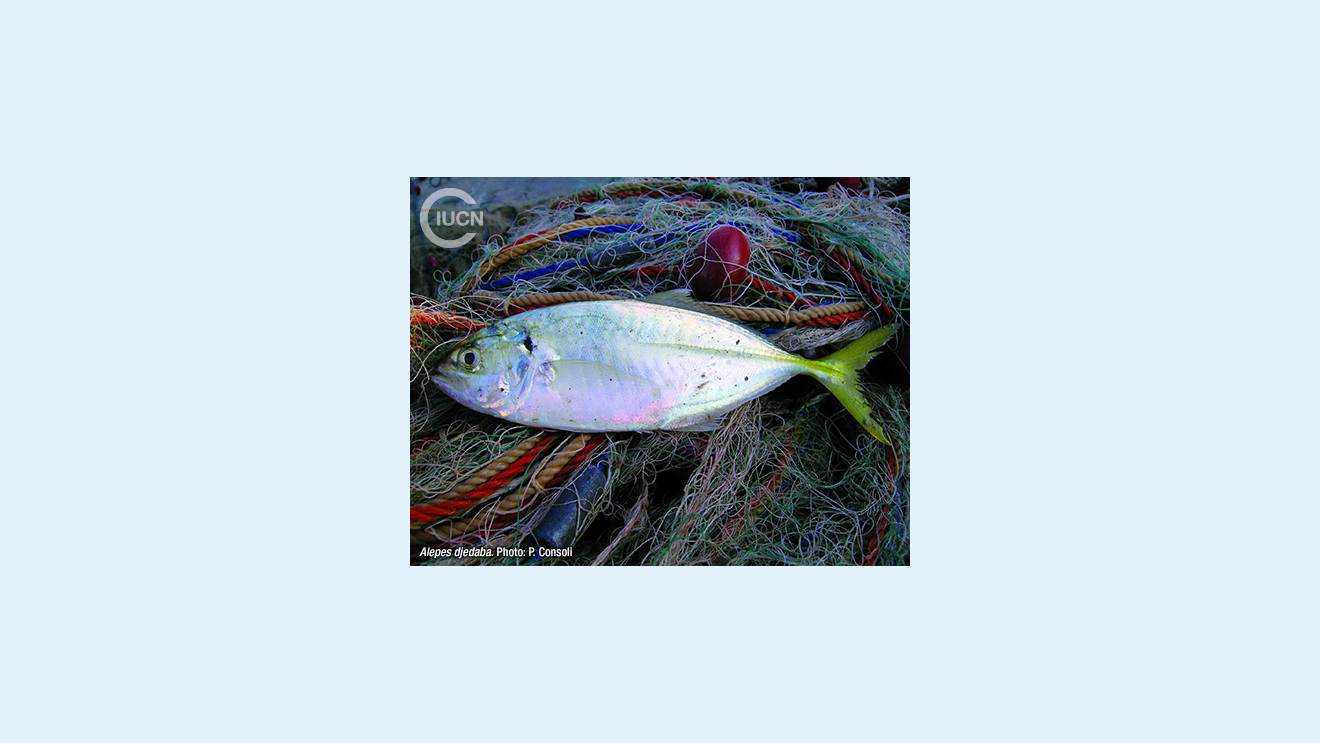
The shrimp scad is a pelagic species inhabiting inshore waters, where it forms schools near rock reefs, often in turbid waters. It also gathers in large schools above artificial man-made reefs such as harbours and jetties. Juveniles can be found sheltered among the tentacles of the jellyfish, Rhopilema nomadica or Phyllorhiza punctata. In the Mediterranean it feeds mainly on fishes.
In the Indo-Pacific region the presence of maturing and mature specimens in most months of the year indicates a prolonged spawning season, but in the Mediterranean the spawning period is probably shorter.
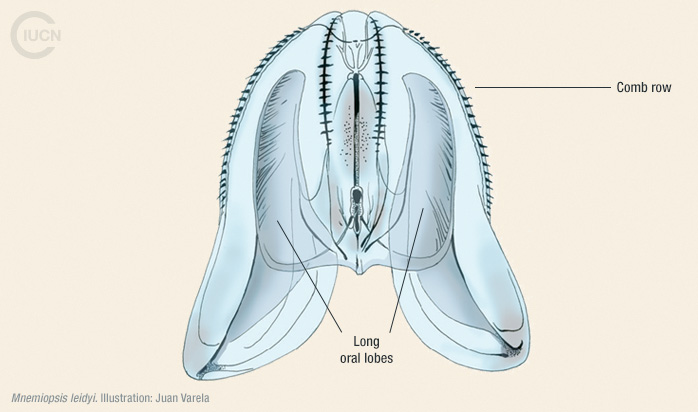
The most obvious distinguishing feature is the extent of the animal´s oral lobes: in M. leidyi, they span nearly the entire length of the body, while in native ctenophores and in Bolinopsis vitrea, another alien species, they only reach half-way along the body. Moreover, B. vitrea also lacks papillae (warts) on its body.
The shrimp scad is widely distributed in the Indo-Pacific. The first individual in the Mediterranean Sea was recorded along the Palestinian coast in 1927 (as Caranx calla). It has subsequently been recorded in the Aegean Sea, Egypt and Greece and is now a very common species in the Levant.
The shrimp scad can form large schools around natural or artificial reefs. Competition with some native zooplanktivorous species such as Chromis chromis or Sardinella aurita may occur. In addition, many researchers consider that the lower predation pressure on A. djedaba in shallow waters can lead to a greater abundance of juvenile shrimp scads in these habitats.
In the Mediterranean its large schools are caught by beach seine, purse seine and trammel nets, as this fish has some commercial value.
Carpenter, K.E., et al. 1997. FAO Species Identification Field Guide for Fishery Purposes. Living marine resources of Kuwait, eastern Saudi Arabia, Bahrain, Qatar, and the United Arab Emirates.