Atherinomorus forskalii
Πληροφορίες
This species, like all other Atherinidae, lives in shallow waters close to the coast, near the surface. It forms large schools and feeds on zooplankton and small bottom-living invertebrates.
The eggs are large, with adhesive filaments to anchor them to solid objects.
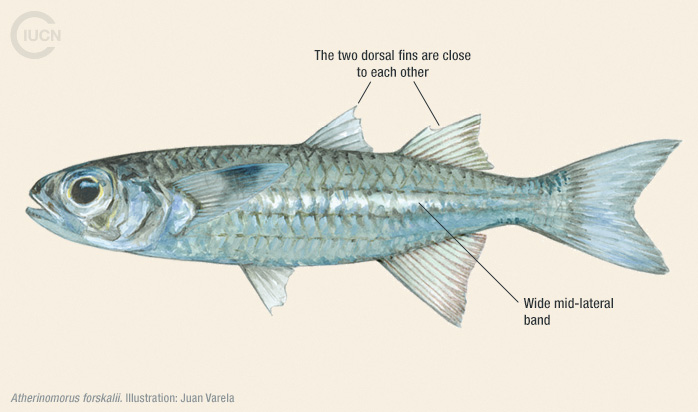
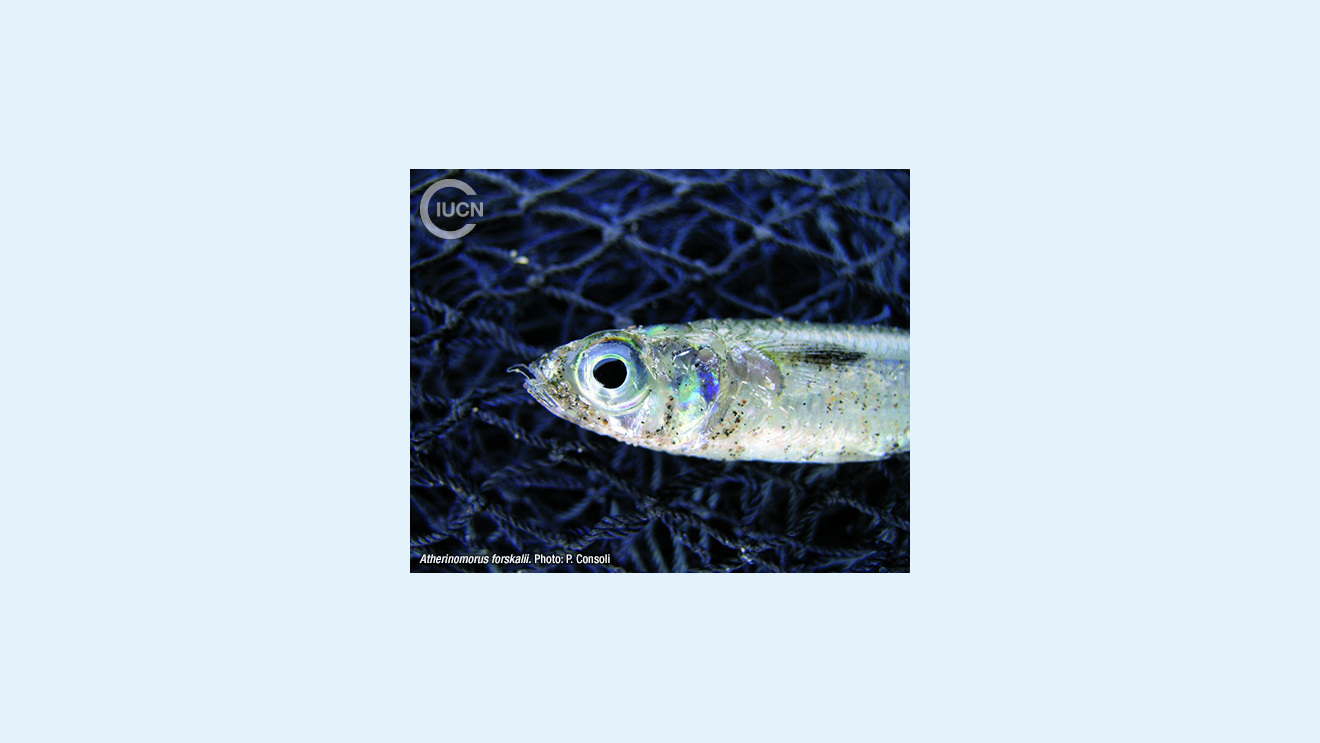
The Indo-Pacific marine atherinid fishes Atherinomorus forskalii, A. lacunosus, and A. pinguis are similar to each other in having a broad midlateral band (roughly equal to or greater than the mid-lateral scale width), a large mouth, and no distinct tubercle at the posterior end of the dentary bones. The three species have long been confused with each other and regarded as a single species. Atherinomorus forskalii is endemic to the Red Sea and is the only species to have migrated to the eastern Mediterranean through the Suez Canal. It differs from A. lacunosus and A. pinguis in having prominent, large teeth that form very obvious tooth ridges.
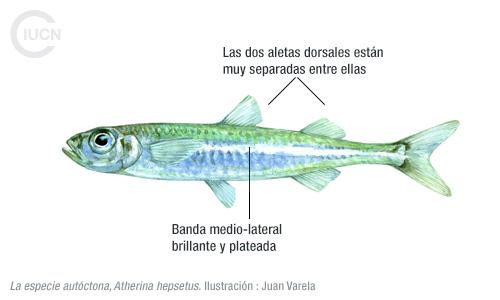
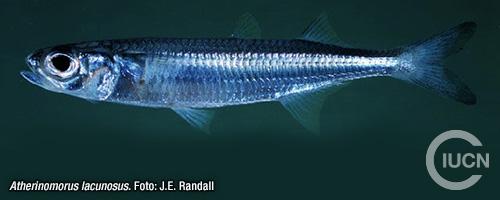
Atherinomorus forskalii is endemic to the Red Sea. The first record in the Mediterranean was in waters off Alexandria, Egypt, in 1902 (as A. lacunosus). It has subsequently been recorded in Israel, Turkey, Lebanon, Greece, Libya, and Tunisia.
Little is known of its biology. The presence of large schools could have a positive effect as A. forskalii is an important prey for larger species. However, as a plankton eater consuming small crustaceans and the eggs and larvae of other species, its impact, although not yet known, may be significant.
It is a very common species in some Mediterranean countries but, due to its small size, it is not generally commercially fished, except in Egypt.
http://www.ciesm.org/atlas/Atherinomorusforskali.php
Kimura, S. et al., 2007. Redescriptions of the Indo-Pacific atherinid fishes Atherinomorus forskalii, Atherinomorus lacunosus, and Atherinomorus pinguis. Ichthyological Research, Vol 54, Issue 2, 145-159